04
Intrusion detection & alarms
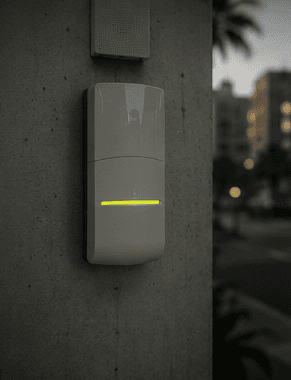
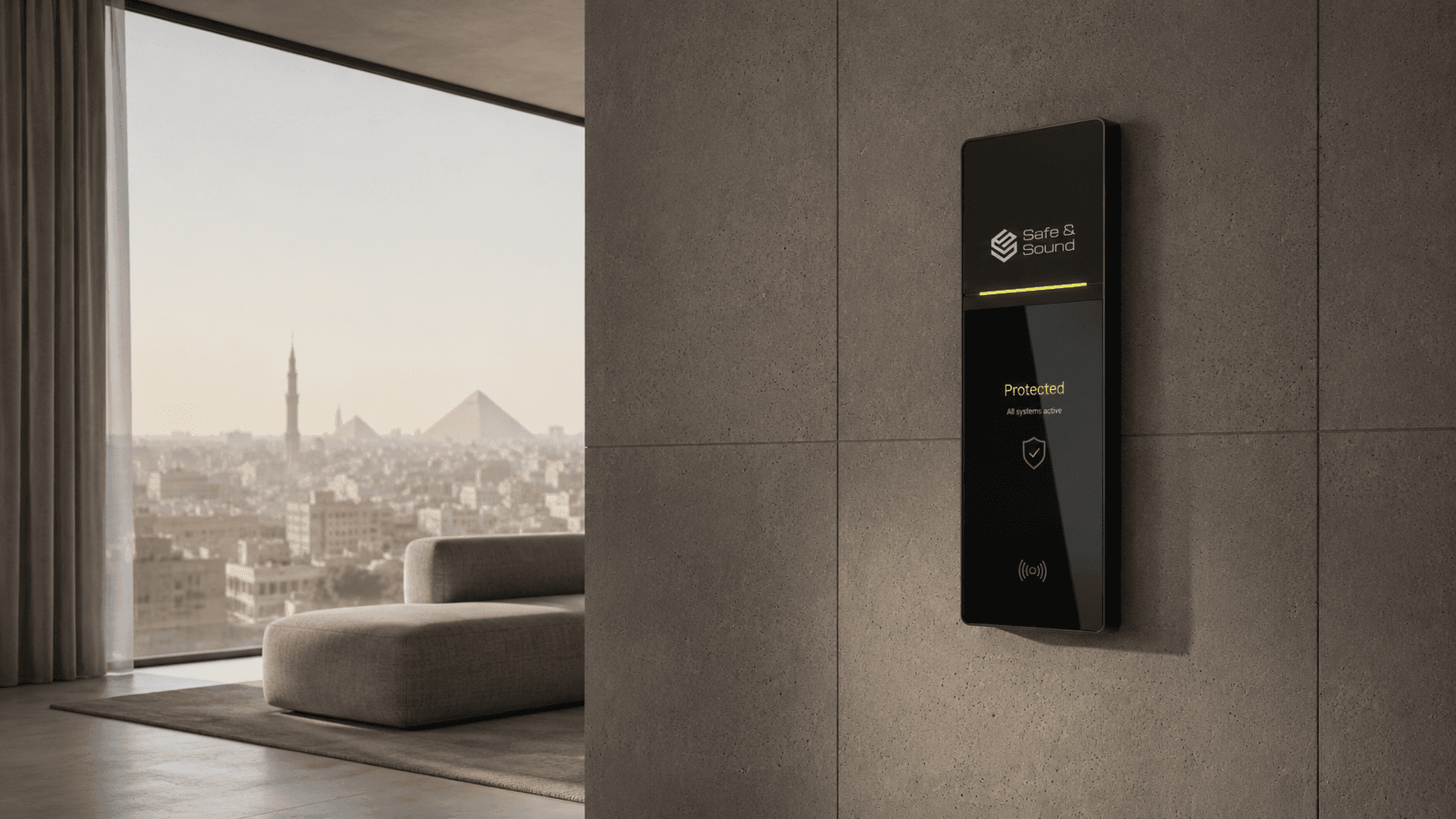
Perimeter and interior detection with a monitored path, so an alarm reaches a person, not just a log file.
Perimeter detection · Monitored path · Verified alerts
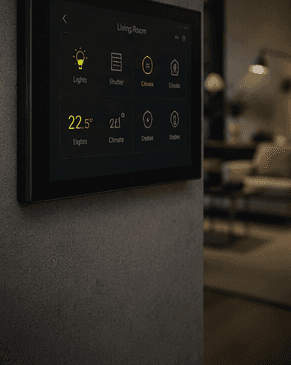
Lighting, shutters, climate and scenes on a KNX backbone — with security as the layer underneath, not an afterthought.
Design · Supply · Install · Integrate · Maintain
KNX is an open, international standard for building control. Devices from different manufacturers share one bus and one language, so a lighting keypad, a shutter actuator and a thermostat work together without a proprietary hub in between — and can be extended or replaced years later.
That is why we build on it. A villa or a hotel suite designed on KNX can have lighting scenes, motorised shading, climate control and energy monitoring on one interface, and can bring the security systems — intrusion, intercom, access, cameras — onto the same screen.
The design work is in the schedule: which loads, which scenes, which panels in which rooms, how the system behaves when the house arms at night or a guest checks in. We work from the architect's drawings and the interior designer's intent, then engineer the bus to carry it.
At a glance
Scenes, dimming, presence and daylight control, room by room.
Motorised blinds and shutters, timed and sun-tracked.
Zoned heating, cooling and ventilation tied to occupancy.
Welcome, away, night, cinema: one press does everything.
See what the building uses, and where.
Arm the alarm, answer the intercom and view cameras from the same panel.
Release doors and gates from the home interface.
Control and status from a phone, over a secure connection.
Where wanted, alongside physical keypads that always work.
Room scenes, do-not-disturb and energy saving tied to check-in.
Every project is composed from a small number of well-understood parts. These are the ones that matter for this discipline.
Keypads & push buttons
Designed to the interior; the controls people touch.
Touch panels
Room and whole-home control on a screen.
Presence & motion sensors
Lights and climate follow the people.
Weather stations
Sun, wind and rain inputs for shading.
Room thermostats
Temperature control per zone.
Switching & dimming actuators
The devices that drive the lights.
Shutter & blind actuators
Motor control for shading.
Heating & cooling actuators
Valves, fan coils and VRF interfaces.
Power supplies & line couplers
The bus infrastructure itself.
IP gateways & servers
Visualisation, logic and remote access.
Intrusion panel integration
Arm, disarm and status on the panel.
Intercom integration
Answer the door from the home screen.
CCTV integration
Live cameras on the touch panel.
Access integration
Door and gate release, logged.
Because the bus is decentralised, a failed server does not switch off the lights. Every keypad still talks to its actuator directly.
Sensor / keypad
A press, a presence, a temperature or a schedule
KNX bus
Devices share one line and one language
Actuator
Lights, shading and climate respond
Logic & server
Scenes, schedules and rules
Interface
Touch panel, phone or voice
Security layer
Alarm, intercom, access and cameras on the same screen
Safe & Sound carries every discipline, so this system is designed from day one to talk to the others on the project.
Intrusion detection
Arming the house triggers the away scene; an alarm brings the lights up and shows the camera.
Intercom
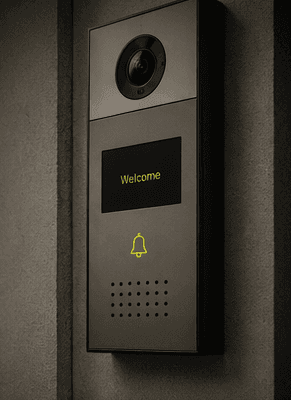
The door call appears on the home panel; the lock releases from the same screen.
Access control
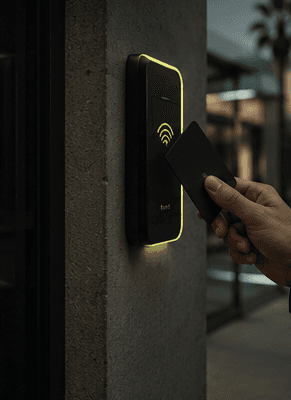
Doors and gates released from the interface, with the event logged.
CCTV
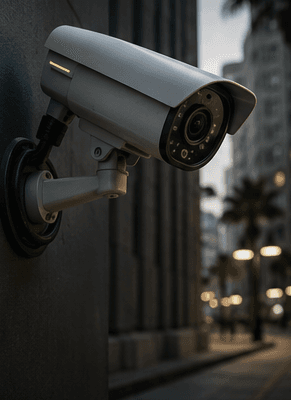
Live camera views on the touch panel and the phone.
Fire alarm
Lighting switches to the evacuation scene; air handling stops on alarm.
A typical sequence
One press on the entrance keypad: the away scene.
Lights off, shading set for the sun, climate to economy, and the alarm arms.
On Saturday evening a package is delivered; the intercom call rings on the phone abroad.
They see the courier, release the gate for the guard, and the event is logged with a snapshot.
KNX belongs where the interior deserves it and the operation demands it: villas, penthouses and compound residences, hotel guest rooms and suites, executive floors and boardrooms.
A deliberately narrow stack, supplied through authorised channels only. The final selection is made per project, against the specification and the budget.


KNX devices are specified per project from certified manufacturers, against the architect's and interior designer's schedule. The network and cabling beneath run on Cisco and Elsewedy.
Room-by-room load and scene schedule with the architect and interior designer, keypad and panel layout, bus topology, integration design for the security systems, and a behaviour specification for arming, guests and schedules.
Certified KNX devices, panels and servers from authorised channels, with keypad finishes and engraving confirmed before ordering.
Bus and actuator installation with the electrical contractor, device programming and addressing, scenes and logic commissioned room by room, security integrations tested, and the family or operator walked through the interface.
Bus topology, device and group-address register, scene definitions, project files held for the client, and a plan for updates and extensions.
Scheduled checks of devices and gateways, scene and schedule adjustments as the household changes, software updates and secure remote support.
We stay involved after handover. Every system leaves us with a maintenance path, a named point of contact and a report you can read.
A well-built KNX installation runs for decades. What changes is the household: new furniture, new routines, new devices. We keep the system in step.
See the three maintenance tiersSystems that are designed alongside this one on most projects.
Tell us about the project. We’ll shape the solution around it — the design, the bill of quantities, the named team and three maintenance options.