02
Access control
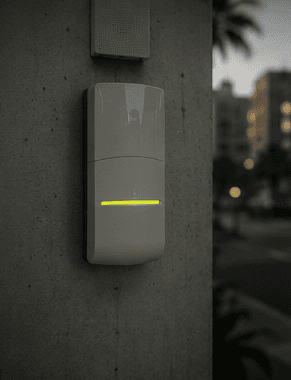
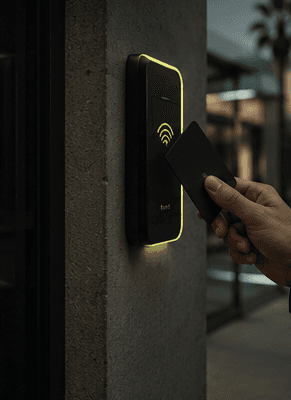
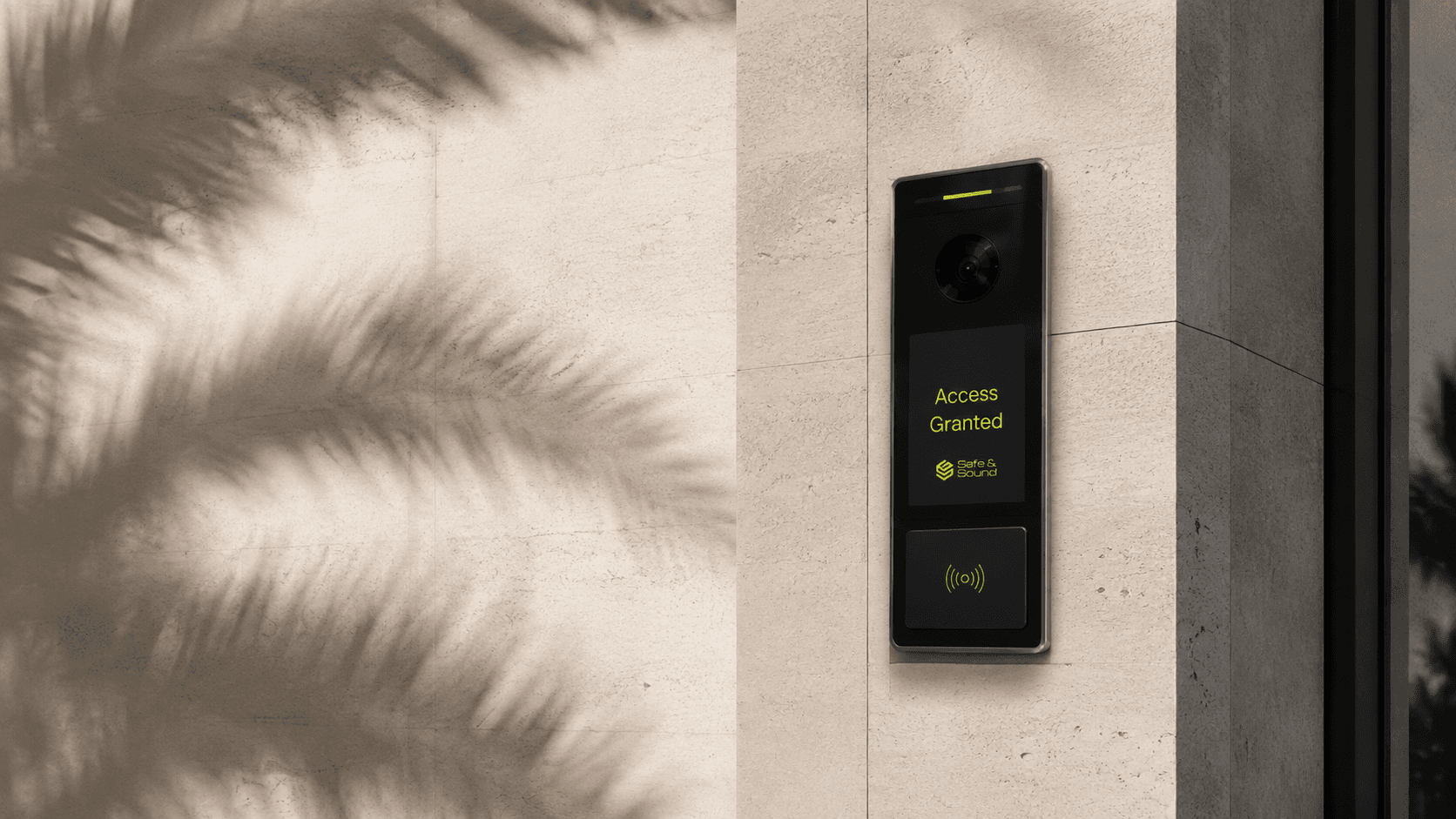
Card, mobile and biometric access across every door and gate, with a permission map you actually understand.
Card & mobile · ANPR gates · Named permissions
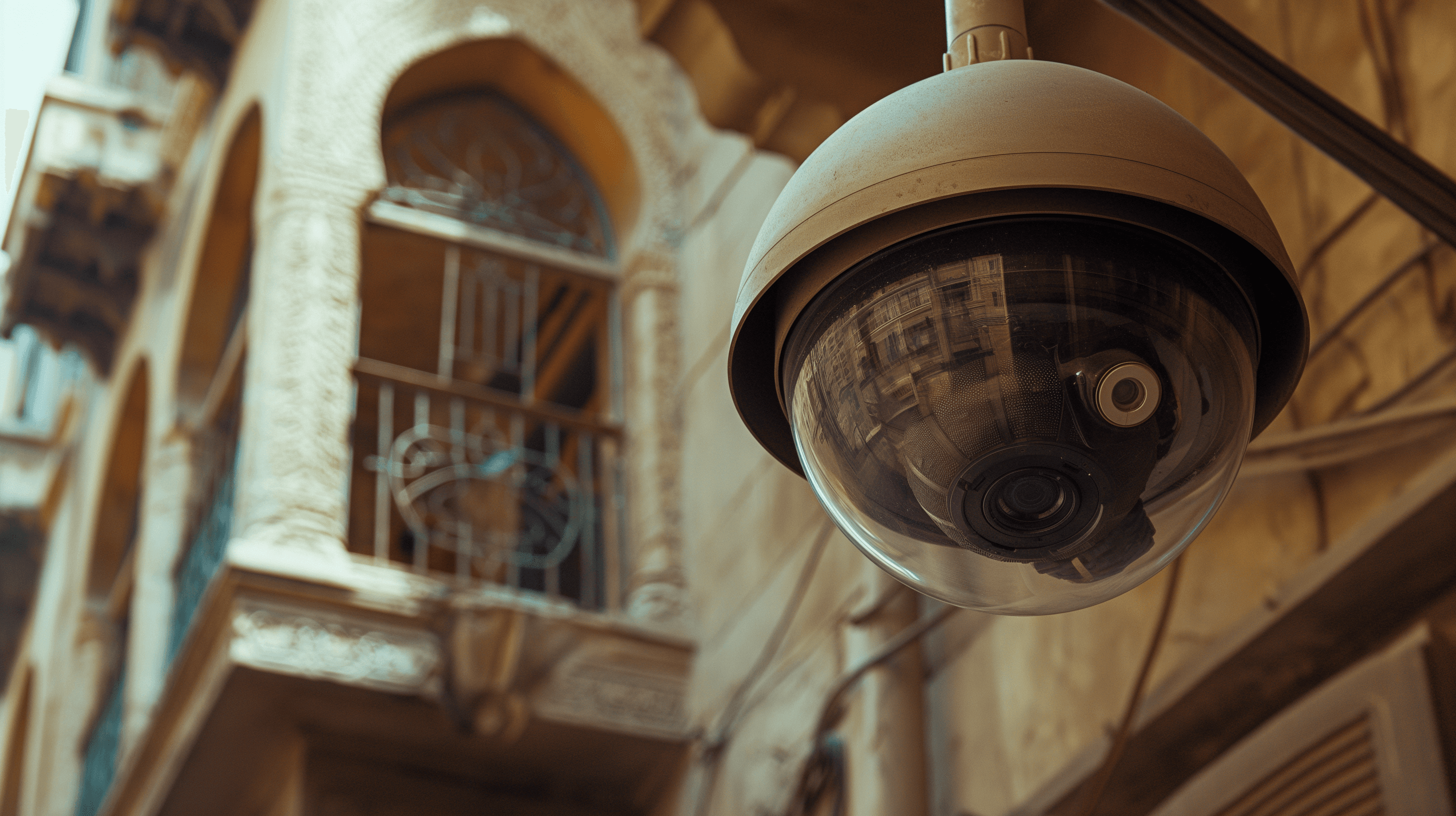
High-performance surveillance systems designed around the architecture, risk profile and operational requirements of every project — then commissioned against the plan and recorded on a system you can audit.
Design · Supply · Install · Integrate · Maintain
A surveillance system is only as good as the decisions made before the first camera is mounted. Where does a person need to be identified rather than merely detected? Which corridors, gates and car parks carry the real risk? How long must footage be kept, and who is allowed to see it?
Safe & Sound answers those questions on the drawings, then chooses camera types, lenses, positions and lighting to match. The result is a coverage plan you can read, a network that carries it without dropouts, and recording that holds up when an incident has to be reviewed.
Everything runs on IP. That makes it possible to bring cameras, recorders and analytics together in one video management platform, share the picture with the command room and, where the policy allows, reach it securely from a phone.
At a glance
Real-time monitoring of every zone, arranged into views that match how the operator actually works.
Continuous, scheduled or event-based recording, sized to the retention period the project needs.
Resolution chosen per scene, so faces and plates are usable rather than merely visible.
Cameras specified for the actual lighting: underground car parks, backlit lobbies, night perimeters.
Line crossing, intrusion zones, loitering and object left or removed, configured to the scene rather than switched on blindly.
Person and vehicle classification that cuts false alarms and makes searching footage fast.
Footfall and occupancy data for retail, hospitality and facilities teams.
Number-plate recognition at gates and car parks, tied into access and barrier control.
Thermal and long-range optics for fences, compounds and industrial sites.
Secure viewing from authorised devices, with permissions that mirror the site policy.
Several buildings or branches managed from one platform, with local recording kept where it belongs.
One software layer for viewing, searching, exporting and integrating with other systems.
Every project is composed from a small number of well-understood parts. These are the ones that matter for this discipline.
Dome cameras
Discreet and vandal-resistant; lobbies, corridors and ceilings.
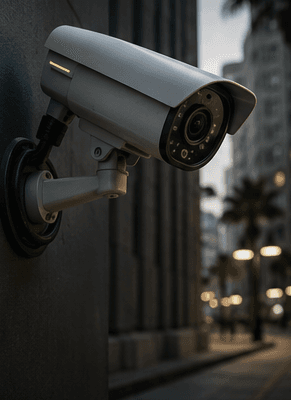
Bullet cameras
A visible deterrent for facades, perimeters and car parks.
PTZ cameras
Pan, tilt and zoom for operator-driven tracking over wide areas.
Fisheye & panoramic
360° situational coverage of open floors and halls.
Multi-sensor cameras
Several sensors in one housing for wide facades and junctions.
Thermal cameras
Heat-based detection for perimeters, darkness and dust.
ANPR cameras
Plate capture at gates and lanes, day and night.
Specialist housings
Explosion-protected and harsh-environment cameras for industrial and petroleum sites.
Network video recorders (NVR)
Local recording sized to channel count and retention.
Server-based recording
Enterprise VMS recording with redundancy and failover.
Video management software
Viewing, search, export, health monitoring and integration.
Video wall decoders
Feeding the command-room wall from the platform.
Storage arrays
RAID storage planned to the retention policy.
PoE network switches
Power and data to every camera on one cable.
Fibre backbone
Long runs between buildings and across compounds.
Structured cabling
Certified copper cabling from camera to switch.
Uninterruptible power
Recording that stays alive through outages.
Illuminators & housings
IR lighting, heaters and sunshields where the scene needs them.
Every link in the chain is sized in the design — bandwidth, storage, power and redundancy — so the system performs the same in year five as it did on the day it was commissioned.
Camera
Captures the scene and encodes video at the edge
Network
PoE switches and fibre carry video and power
Recording
NVR or server stores footage to the retention plan
Video management
One platform to view, search and export
Command room
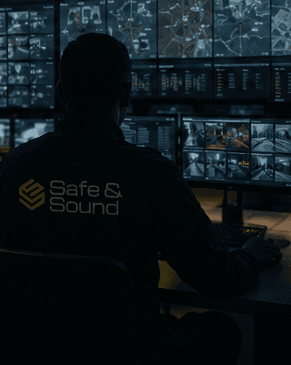
Operators watch, verify and respond
Remote access
Authorised users reach the picture securely
Safe & Sound carries every discipline, so this system is designed from day one to talk to the others on the project.
Access control
A door forced or held open pulls the nearest camera onto the operator's screen.
Intrusion detection
Alarm zones trigger recording, pre-alarm buffers and the right camera view for verification.
ANPR & barriers
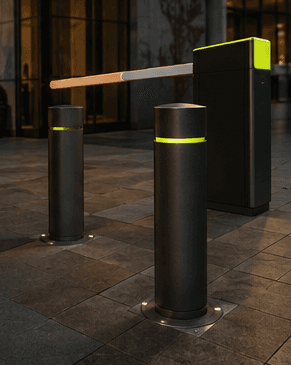
Plates read at the gate open the barrier and log the vehicle with its image.
Fire alarm
A fire event calls up the cameras nearest the detector so operators can confirm before evacuation.
Command rooms
The video wall, the operator layout and the VMS are designed as one workstation.
A typical sequence
A perimeter detector trips on the north fence.
The VMS pulls the two nearest cameras onto the wall, with thirty seconds of pre-alarm footage.
The operator verifies a person, not an animal, and raises the response.
Access control locks the nearest doors; the event and the clips are logged together.
CCTV is the discipline almost every project starts with. It is also the one where good design is most visible: a hotel lobby that feels calm rather than watched, a compound gate where the plate is read before the car stops, a factory floor where an incident can be reviewed in minutes.
A deliberately narrow stack, supplied through authorised channels only. The final selection is made per project, against the specification and the budget.







For video we work primarily with Axis, Bosch, Hikvision and Dahua cameras and recorders, with Honeywell where the project specifies it, on Cisco network hardware and Elsewedy cabling.
Site survey and risk assessment, then a coverage plan: identification, recognition and detection zones; field-of-view and lens selection; positions and mounting heights; lighting; network load; storage and retention calculations; and control-room requirements.
Cameras, recorders, switches and storage from authorised channels, serial-registered and warranty-tracked, with firmware baselined before they reach site.
Standardised mounting and cabling, photographed daily. Cameras aimed and focused to the plan, the VMS configured, analytics tuned to each scene, and integrations tested with access, intrusion and the command room.
As-built camera schedule, network drawings, IP and credential register, retention policy, operator training and a lifecycle plan for cameras and storage.
Scheduled visits to clean, re-aim and test every camera, storage health checks, firmware management and a report that tells you what was found.
We stay involved after handover. Every system leaves us with a maintenance path, a named point of contact and a report you can read.
Cameras drift, lenses fog, storage fills and firmware ages. A surveillance system that is never checked stops being evidence-grade long before anyone notices.
See the three maintenance tiersSystems that are designed alongside this one on most projects.
Tell us about the project. We’ll shape the solution around it — the design, the bill of quantities, the named team and three maintenance options.